


There are certain moments in football that feel bigger than the result itself.
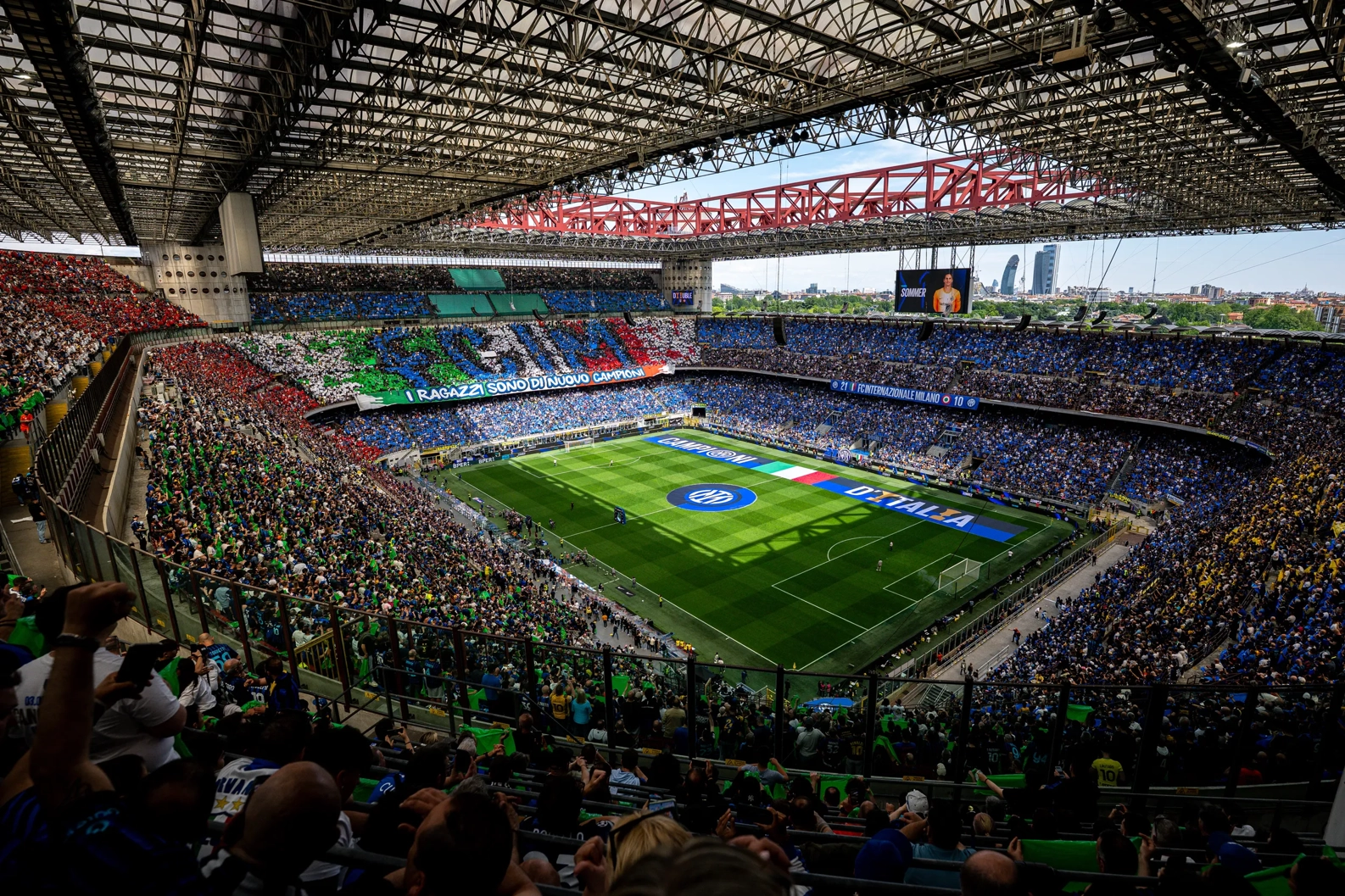
A trophy lift at San Siro is one of them.
For Inter, this weekend was not just about celebrating another piece of silverware. It was about bringing together everything that makes the club what it is: the players, the fans, the city, the history, the content, the culture and the global audience watching from afar.
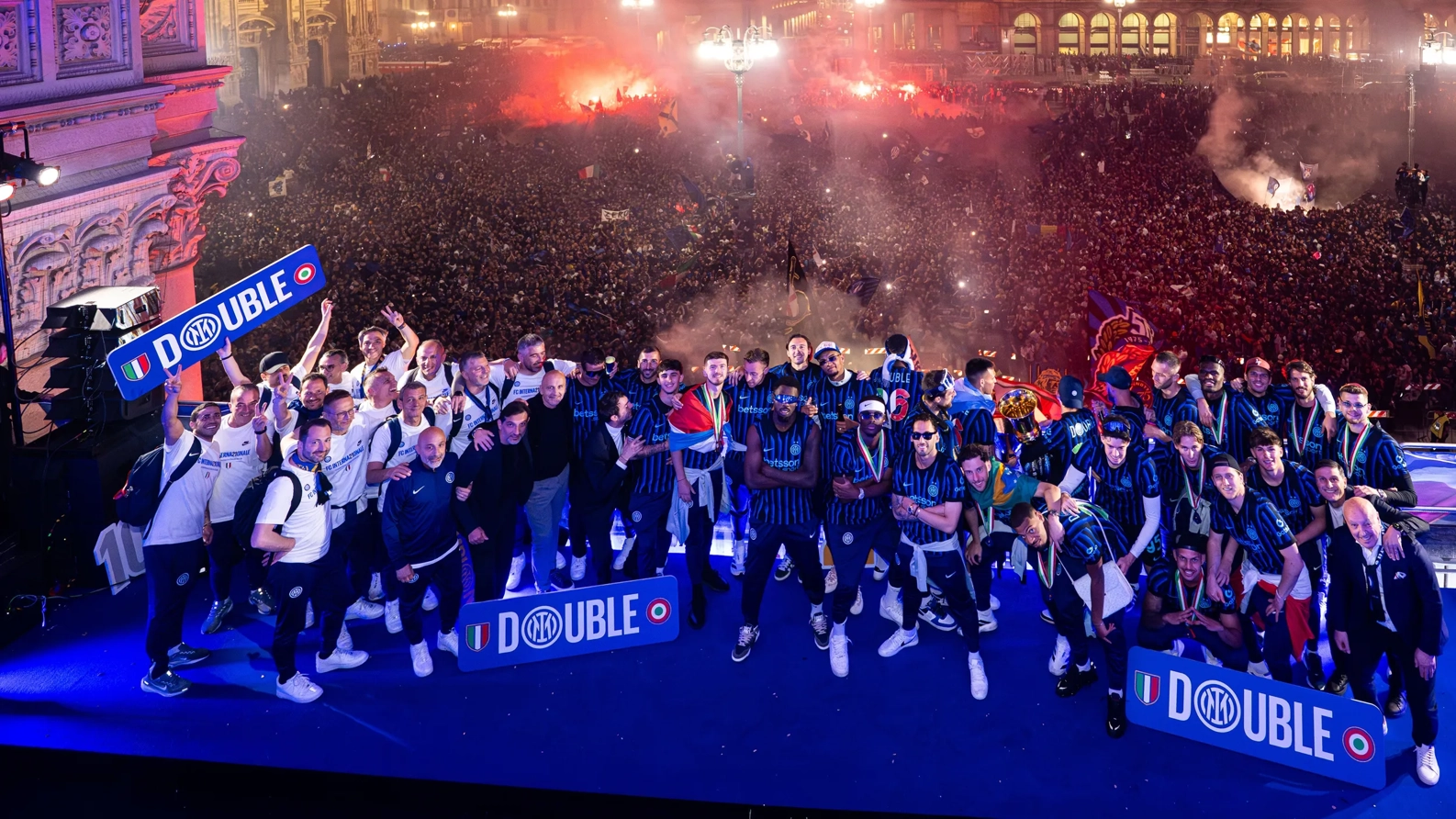
But while fans see the final whistle, the trophy, the confetti and the celebrations, the work behind those moments starts much earlier.
That is the part Luca Adornato understands well.
Having joined Inter as Brand and Marketing Director one year ago, Adornato has spent the past 12 months trying to understand the essence of the club and how that identity can shape the way Inter shows up in the world.
For him, moments like a Scudetto celebration do not appear in isolation. They only work when the strategy behind them is already in place.

“The goal that we have as a marketing department is to consolidate and foster a trajectory of growth that supports the value proposition of the club,” he explains.
“Over the last 12 months, what we have been doing is understanding the real essence of the club and understanding how to create our own storytelling in order to potentially exploit some success on the pitch. Of course, you cannot predict it, but you have to be ready for it.”
That line feels particularly important.
In football, success can never be guaranteed. But when it arrives, the strongest clubs are the ones prepared to turn it into something bigger.
For Inter, the Scudetto was not simply a sporting achievement to celebrate. It was a brand moment to be orchestrated, amplified and shared with millions of people around the world.
“What we are doing now, and what we will do in the next few hours and weeks, is something that didn’t just pop up casually,” Adornato says. “It is something that is on a framework of a strategy.”
Turning a football moment into a cultural one
For a club like Inter, winning creates emotion first. That emotion belongs to the core supporters who live with the club every week.
Adornato is clear that those fans have to remain at the centre of any celebration.“You have to make sure you do not betray your core fans,” he says. “They have to be excited and enjoy with the same passion that the players have during their celebration on the pitch. The core fans should feel part of this celebration.”
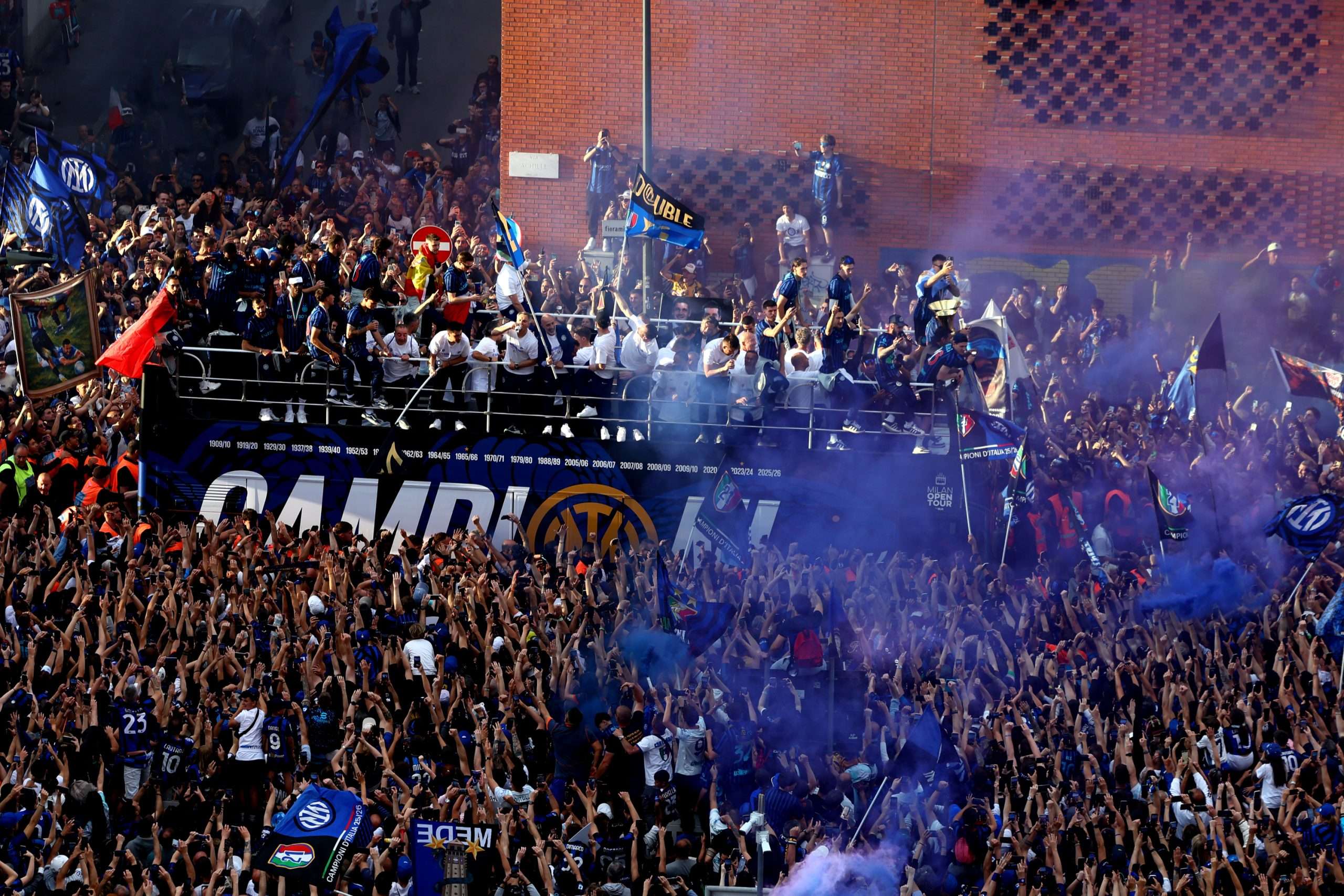
But the opportunity does not end there.
Modern football clubs are no longer speaking only to those inside the stadium. Their biggest moments are consumed globally, often by people who may not yet consider themselves supporters, but who are drawn in by the emotion, spectacle, creativity or cultural relevance of the club.
For Adornato, that is where Inter’s wider brand ambition comes in.
“These big moments allow us to grow our visibility amongst non-core fans,” he says. “We should decode the way in which we would like to be seen as a brand, not just as a football club. Content orchestration is key in that.”
That phrase – not just as a football club – sits at the heart of Inter’s current direction.
The club is still rooted in football, of course. But it is also thinking carefully about how its identity travels through content, collaborations, activations, products, experiences and culture.
The challenge is making all of that feel authentic.
The scale behind the celebration
To make a moment like this live beyond San Siro, Inter relies on a significant internal operation.
The club has built its own internal media house, which Adornato says is made up of around 50 people, supported by agencies and freelancers when needed. During major moments, that operation grows further.
For the Scudetto celebrations, the club planned a full production around the bus parade, following the route through the city with multiple production points, photographers and videographers.
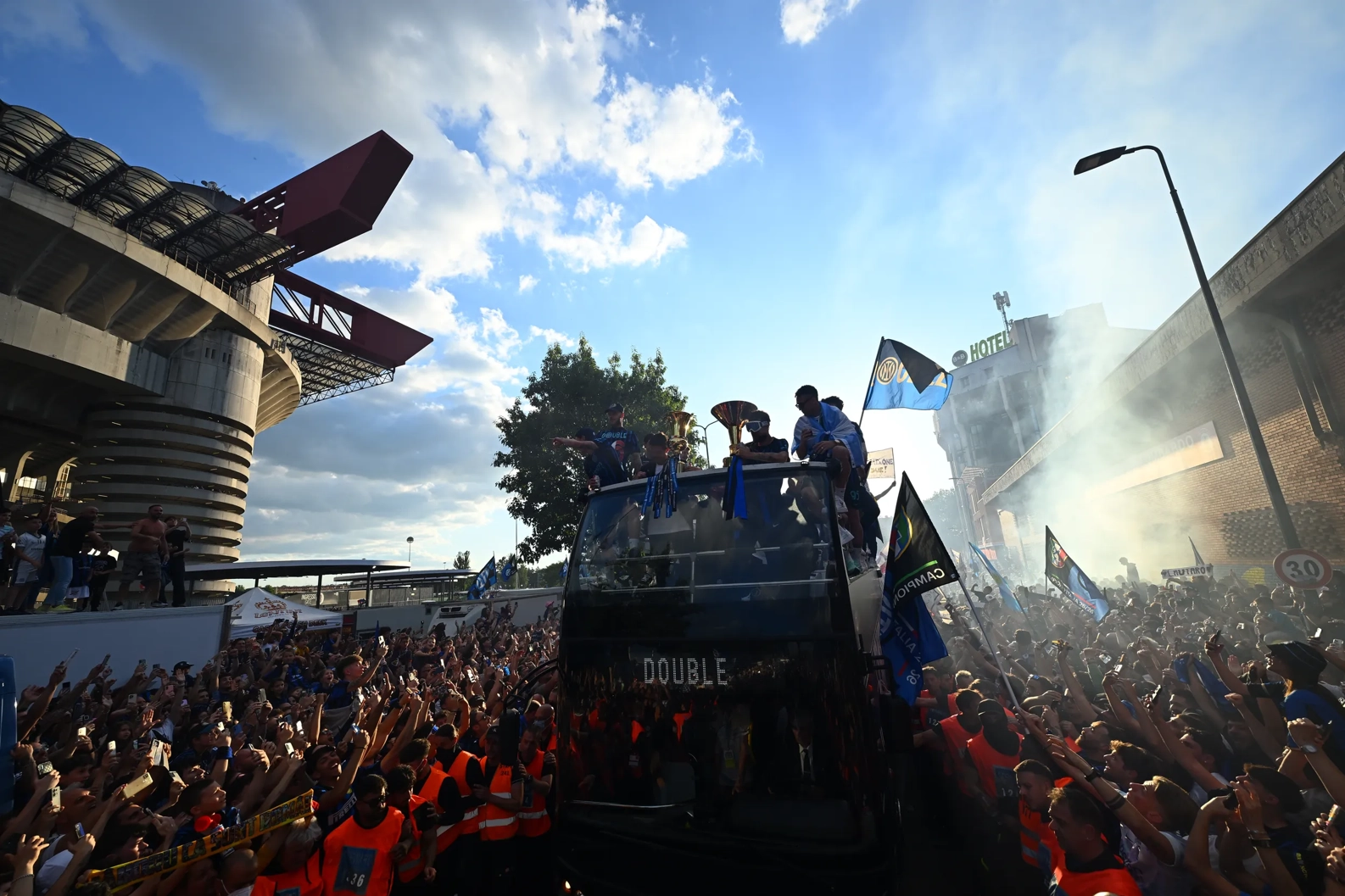
“In these specific moments, of course, this number grows a little bit more,” Adornato says. “Occasions like this allow you to extend your capability in terms of production and content distribution.”
It is a reminder that a trophy lift is not just a sporting event. It is also a media operation, a fan engagement moment, a commercial opportunity and a global storytelling exercise.
The confetti and fireworks may happen in one place, but the content has to travel everywhere.
The DNA of Inter
To understand where Inter is going, Adornato believes you first have to understand where the club came from. When he arrived, one of his first priorities was to dig deeply into the club’s DNA and use that understanding to shape the brand and marketing strategy.
For him, Inter’s identity is not only found in its successes. It is also found in the way the club responds to difficult moments.
He points to the period before this latest success, when Inter came from the disappointment of losing a Champions League final and saw a coach leave the club, only to find the strength to come back stronger.
“That’s the real essence of the brand of this club,” he says.
For Adornato, that resilience connects directly to the way Inter wants to be understood externally. Not only as a club defined by success, but as one built on openness, strength and the ability to challenge convention.
That sense of identity links back to the club’s foundation in 1908.
Inter was founded after a group broke away from AC Milan, with the new club built around the idea of allowing foreign players to represent the team at a time when that was not permitted elsewhere.
“We were founded by 44 members that left AC Milan to found Internazionale in order to fight the status quo of that time,” Adornato says. “The strength of that powerful act, coming from a difficult situation, is really the key element of our DNA.”
That founding story still matters because it gives Inter something deeper than a marketing line.
It gives the club a sense of character.
International by name. Resilient by nature. Born from a challenge to the status quo.
Balancing heritage and modernity
That kind of history is powerful, but it also creates responsibility.
For any major European club, one of the hardest tasks is balancing the expectations of lifelong supporters with the need to attract new audiences around the world.
Adornato sees that balance as a promise the club has to fulfil.
“You should be able to talk to our core fans that are very passionate about the club, as well as newcomers that are coming from abroad and maybe don’t know a lot about the club,” he says.
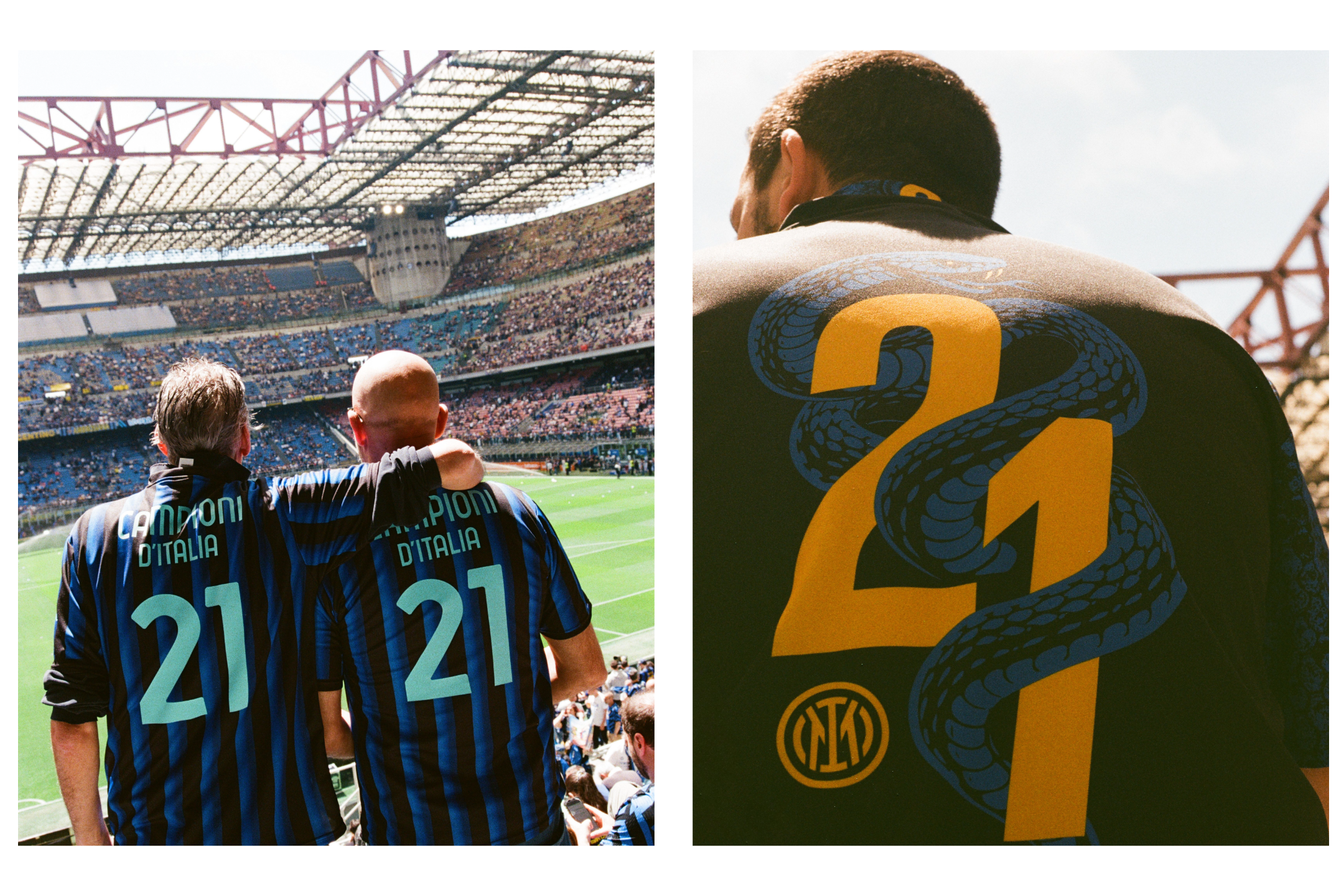
Those new supporters might discover Inter through a single piece of content, a match on television, a collaboration, a player or a social media post. The job of the club is to make sure that every touchpoint still feels connected to the same identity.
“The key element is trying to be as authentic and credible as possible in what you do and what you tell,” Adornato says.
That applies whether Inter is talking about a match, launching a marketing activation or releasing a product collaboration.
The format can change. The channel can change. The audience can change.
But the club has to remain recognisably Inter.
Football clubs as cultural brands
Increasingly, football clubs are operating beyond football.
They are present in music, fashion, design, gaming, entertainment and lifestyle. They are competing not only with other clubs, but with every other form of culture fighting for attention.
For Inter, the opportunity is clear. But Adornato is careful not to suggest the club should chase every possible space.
“I don’t think that we have to choose just one or choose everything,” he says. “I think that we have to choose the right project, the right moment, the right touchpoint that allows us to tell our story in a very distinctive way.”
That distinction matters.
View this post on Instagram
The best cultural collaborations do not just place a club badge next to another brand. They find a point of connection that feels real.
Adornato believes football shares something important with music, fashion and entertainment: the ability to generate deep connection with passionate audiences.
If that connection sits at the heart of the collaboration, then it becomes something Inter can credibly explore.
“As a club we have to understand what the territory is and decide if these potential entertainment layers are in line with our trajectory,” he says.
In other words, culture is not a shortcut. It has to fit the direction of the club.
Why Inter x Pink Floyd worked
One recent example is Inter’s collaboration with Sony Music and Pink Floyd.
The project was connected to the 50th anniversary of Wish You Were Here, but the reason it worked was not simply because Pink Floyd are iconic. It worked because there was a genuine football story inside it.

Adornato explains that Inter had already built a relationship with Sony Italy, using its music library for content across different moments. When Sony approached the club with the opportunity around Pink Floyd, the question became: what is the authentic link?
The answer was unexpected.
Pink Floyd used to have a football team that would play matches between tour dates and during spare moments on the road.
“That was the perfect element to work on,” Adornato says. “This really authentic element made all of the storytelling that we built up afterwards really credible.”
From there, Inter and Sony built a capsule merchandise collection inspired by key elements of that era, using the product as a way to carry the story.
The response suggested the idea resonated. According to figures shared by the club, the Inter x Pink Floyd project sold out in less than 24 hours, while the social content around the collaboration generated 14 million impressions.
For Adornato, that authenticity was the “killer element” that made the collaboration successful.
It is a useful example of how modern football collaborations need to work. The story has to come first. The product has to make sense. The connection has to feel earned.
Followers, fans and the party Inter wants people to stay at
Like every major club, Inter is thinking about how to connect with fans around the world. But Adornato is not obsessed with forcing people into categories.
He does not see the job as simply turning every follower into a fan.
“I don’t think that we have to be obsessed with turning them into something,” he says.
Instead, the goal is to make Inter interesting to a wider group of people across different ages and geographies, then give them reasons to stay connected.
The scale of that opportunity is significant. Figures shared by Inter show the club now has a global fanbase of more than 609 million people, an increase of 76 million compared to 2024. Across its digital channels, Inter has also added more than 7.5 million new followers since January 2026, taking the club to 92.5 million followers across its social platforms.
That could be through content, products, activations, digital platforms or loyalty programmes.
Inter recently launched a free-to-join loyalty programme designed to convert interest into benefits and make people feel more connected to the club.
What football can learn from Formula One
When asked what great sports marketing looks like in 2026, Adornato points to Formula One.
For him, F1’s transformation over the past eight to ten years is one of the most interesting examples of a sports property becoming a global entertainment brand.
“The work they have done in turning an extremely established sport property into a massive and powerful icon in the sport entertainment industry is something that I have looked at, and am still looking at very carefully,” he says.He recognises that some purists feel Formula One has changed from what it once was, but from a brand perspective, he sees the impact as significant.
That reference point is telling.
The ambition is not to make football something it is not. But it does show that clubs are studying how other sports and entertainment properties package stories, create access, build audiences and generate global relevance.
Adornato also points to NBA teams and other European football clubs as sources of inspiration, but Formula One stands out as the overarching example.
“We won, but not today”
Perhaps the clearest expression of Inter’s current storytelling approach came after the club mathematically secured the Scudetto.
The club released a video with the final line:
“We won, but not today.”
For Adornato, that message captured something important.
The win was the visible moment, but it was not the whole story. The trophy was the peak, but the success had been built across the entire season.
“The success is just the tip of the iceberg,” he says. “What we have done before that, the hard work that has taken place all season, was the real element of success.”
That message was internally debated because it offered a slightly different way to celebrate.The standard approach would have focused purely on passion, excitement, players, fans and the emotion of the moment. Inter wanted to do that, but also say something deeper about the work behind the achievement.
“I think that this is the key message that I hope I could pass on to a wider spectrum of audience,” Adornato says.
It is also, in many ways, the perfect Behind Sport message.
The moment everyone sees is only the final layer. The real story is everything that made it possible.
Selling Inter to the world
At the end of the conversation, Adornato is asked what he would say to someone who is not yet an Inter fan. His answer is not a conventional sales pitch. He does not start with trophies, players, history or atmosphere, but with what the club can help people understand about themselves.
“Becoming an Inter fan allows you to understand a little bit more about you,” he says. “This club and this brand is really authentic in the deepest sense.”
That authenticity is the thread that runs through the whole conversation. It appears in the club’s foundation story, in the way Inter speaks to core supporters, in the way it chooses collaborations, in the way it thinks about global audiences, and in the way it celebrates success.
For Inter, the ambition is not simply to become bigger. It is to become bigger without becoming less itself, which may be the hardest challenge for any modern football club.
The task is to grow globally while staying rooted locally, to enter culture while remaining credible, to speak to new audiences without betraying existing supporters, and to celebrate the trophy while still telling the story of the work behind it.
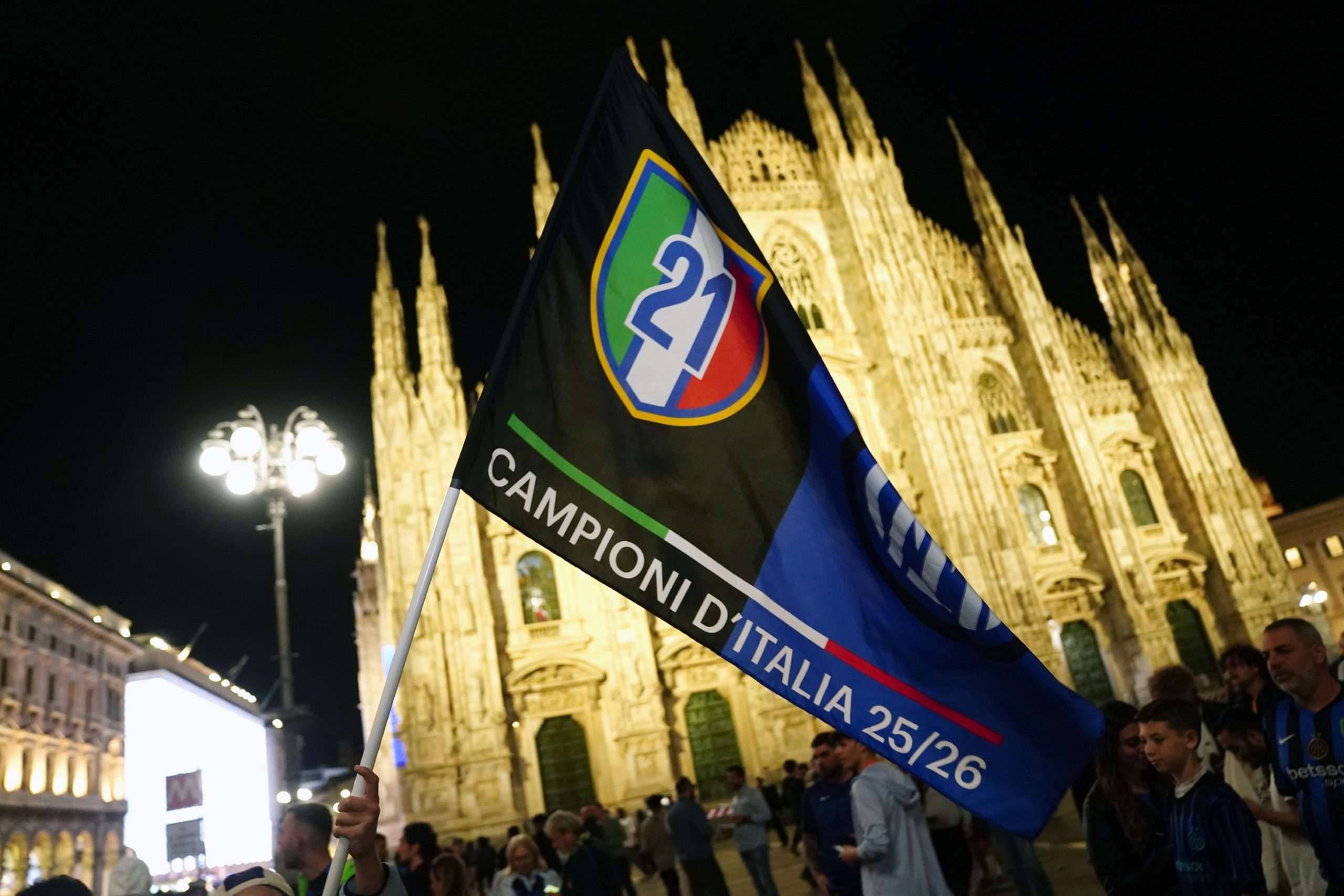
As Inter lifted the Scudetto at San Siro, the football moment belonged to the players and the fans. But around that moment, another story was unfolding too: a club using success on the pitch to sharpen its identity off it.
Not as a move away from football, but as a broader expression of what Internazionale has always stood for.
Enjoyed this article? Join over 2,800 sport professionals who receive our weekly newsletter here.


