


There has been a growing sense in football culture recently that adidas has found something.
Not just in product, but in tone. In timing. In the way it is showing up around the game.
Where other sportswear campaigns can sometimes feel over-engineered or overly corporate, adidas has been making work that feels more instinctive – more rooted in the emotion, memory and mythology of football itself. Its latest FIFA World Cup 2026 campaign, Backyard Legends, is another strong example of that.
On paper, it is a five-minute brand film promoting adidas’ “You Got This” message ahead of the World Cup. In practice, it feels more like a reminder of what the brand does best: turning football into culture, and culture back into football.
A World Cup campaign that starts far from the stadium
The most effective thing about Backyard Legends is where it begins.
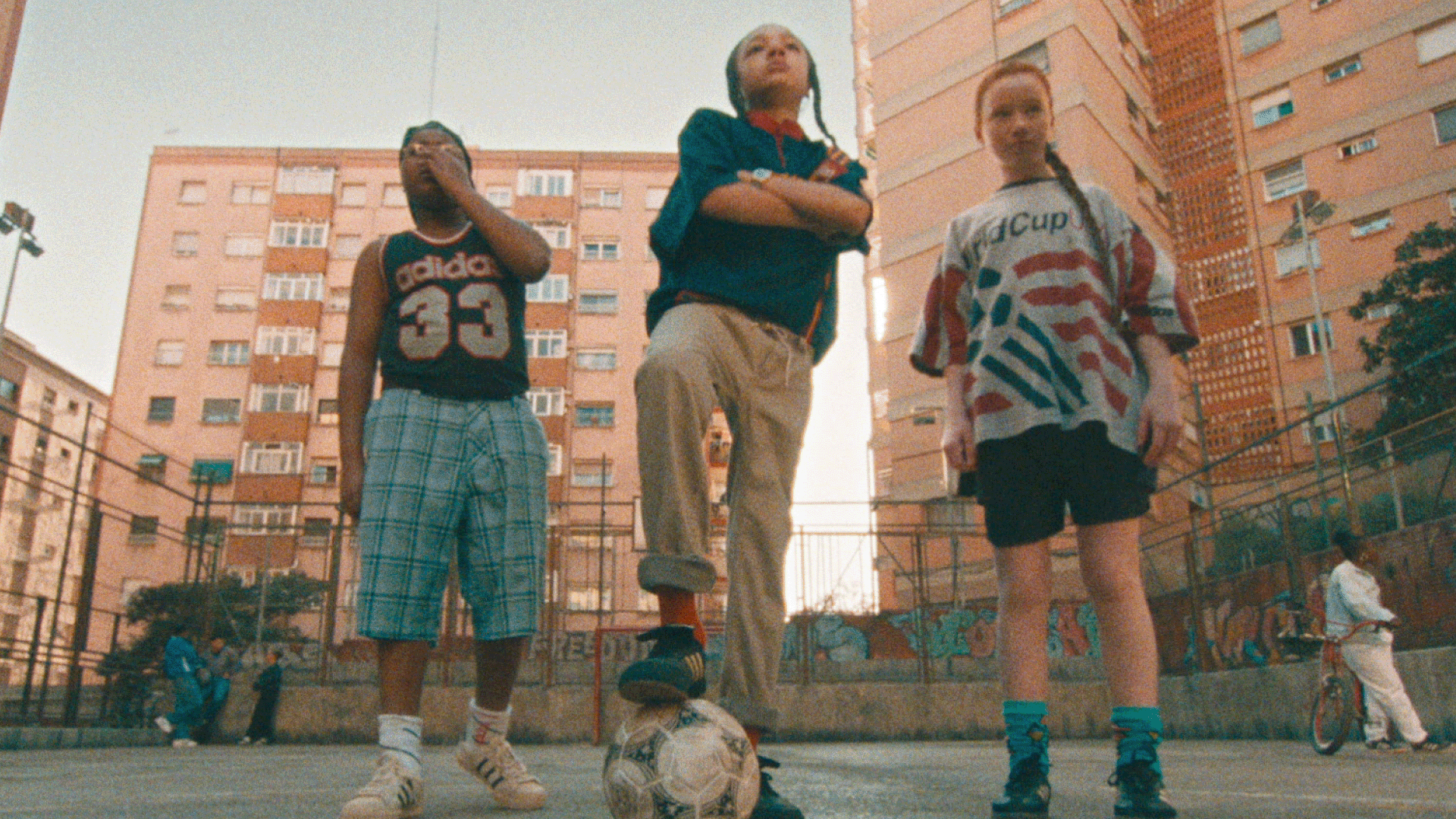
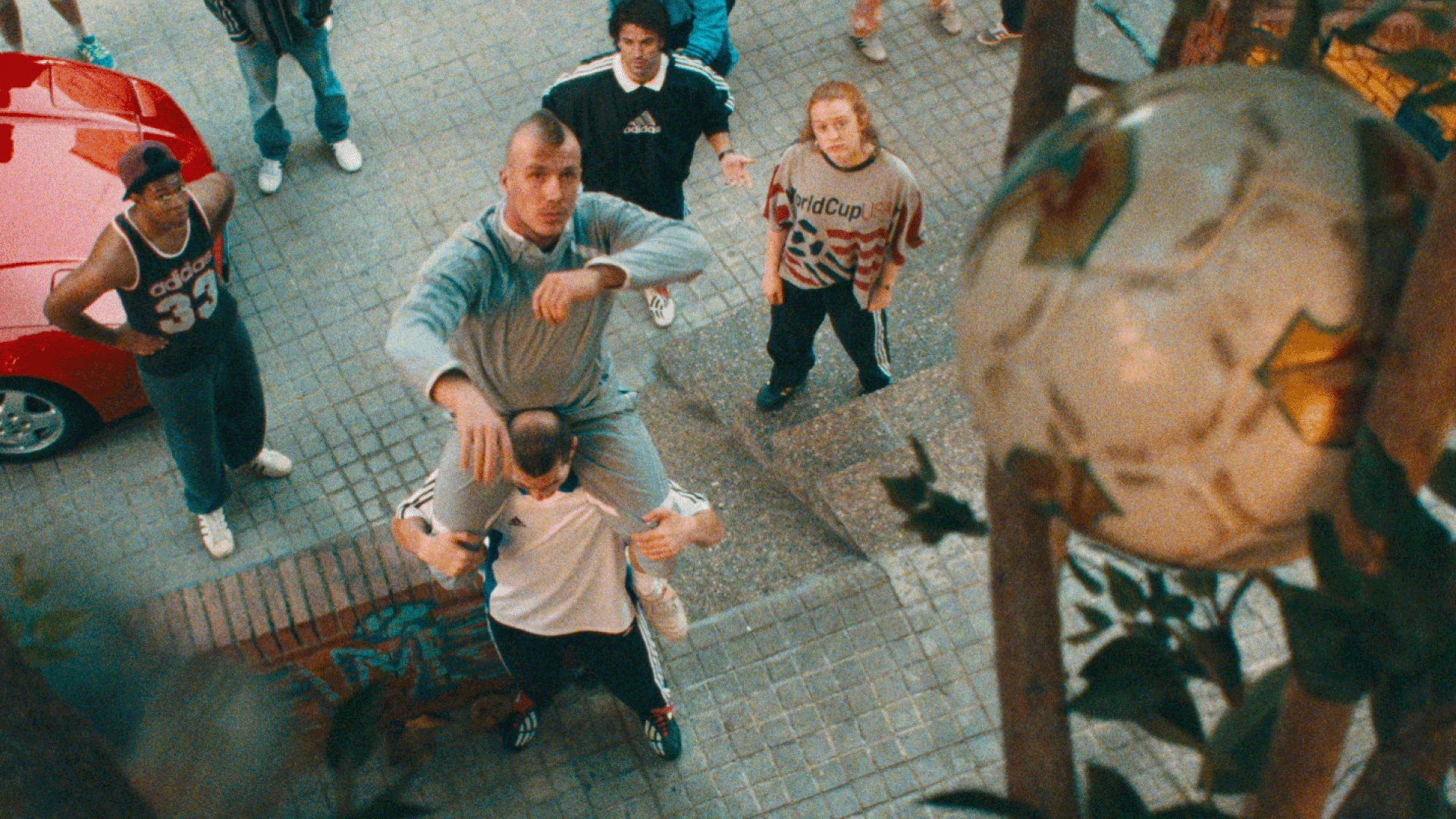
Not in a tunnel. Not under floodlights. Not in a pristine, hyper-commercial version of the game. Instead, adidas roots the story in the kinds of places where football mythology is actually born: cage pitches, car parks, patches of grass, neighbourhood courts and improvised games where reputations are built long before anyone sees a professional stadium.
That idea gives the campaign its emotional centre.
The film, led by Timothée Chalamet, follows the story of a local crew whose “win or go home” dominance has survived generations of challengers. In doing so, it turns the mythology of the neighbourhood pitch into something larger than life – but without losing the intimacy that makes those spaces matter in the first place.
That is what makes the campaign feel smart. adidas understands that for many people, the World Cup is not just a sporting event. It is an amplifier of memories that already exist. It reconnects people with how they first encountered football — the pressure-free version, the imaginative version, the version where the game still felt infinite.
The cast says everything about the strategy
The casting is one of the clearest signals of what adidas is trying to do.
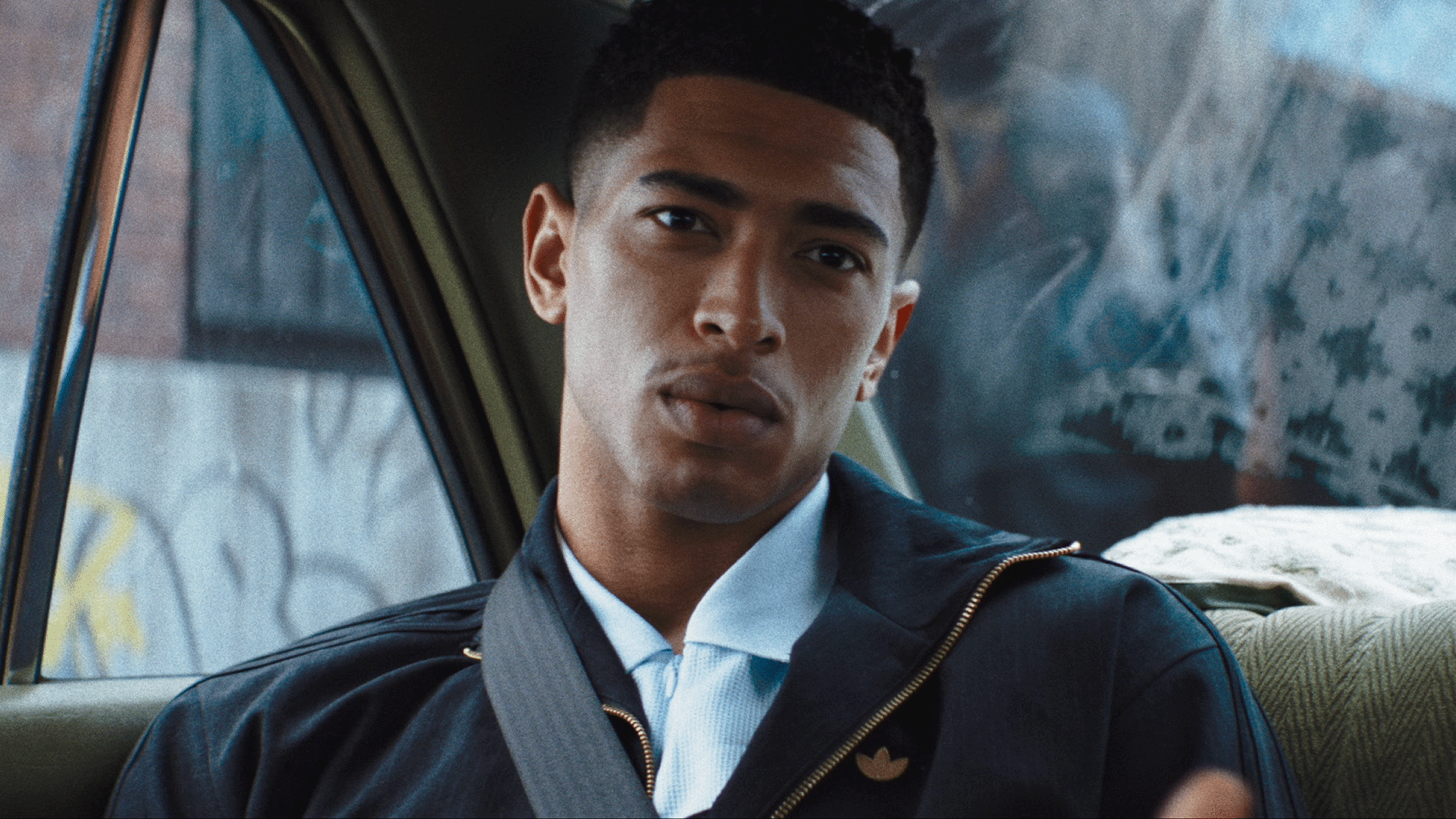
You have global football icons like Lionel Messi, Lamine Yamal, Jude Bellingham and Trinity Rodman. You have cultural crossover through Bad Bunny and Timothée Chalamet. And then you have the presence of Zinedine Zidane, David Beckham and Alessandro Del Piero, giving the campaign a nostalgic football weight that instantly broadens its emotional range.
That combination matters.
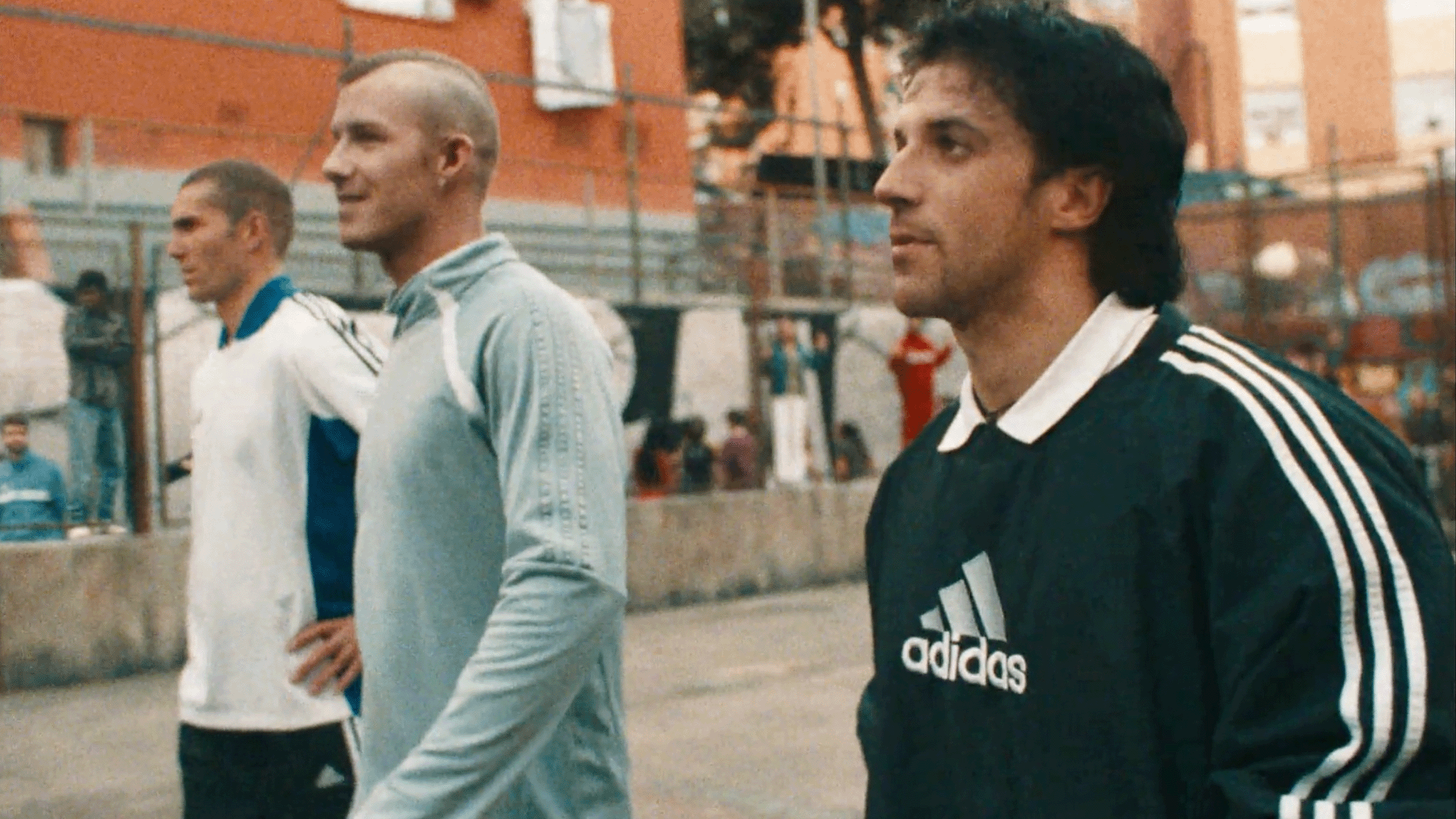
It allows the film to operate across generations and across audiences. It is not aimed only at young football fans, nor only at those who grew up in the 1990s and early 2000s. It is designed to feel familiar and exciting at the same time – a piece of communication that can speak to legacy, current relevance and future stardom in one narrative.
That is very difficult to do well. But it is also one of adidas’ great strengths when it gets these campaigns right.
The cameos from players such as Ousmane Dembélé, Raphinha, Pedri, Florian Wirtz and Santiago Gimenez add further depth, helping the film feel less like a conventional ad and more like a football world populated by different generations of stars.

adidas understands that football is memory as much as competition
A lot of sports marketing talks about pressure, greatness and elite performance.
Backyard Legends does too, but its real power comes from something softer: memory.
The film leans into a nostalgic visual language, using 1990s street and terrace style, analogue technology, era-specific hairstyles and a soundtrack designed to evoke a particular emotional texture. That choice is not accidental. It places the campaign in a part of football culture that feels deeply human and widely recognisable.
Rather than simply telling audiences that football belongs to everyone, adidas creates a world that makes that idea feel true.
The core message of “You Got This” is framed here not as a hard-edged performance slogan, but as an invitation to play more freely. That is a subtle but important distinction. The campaign is not really about intensity. It is about release. About the idea that self-belief is at its strongest when pressure disappears and joy takes over.
That is a much more resonant message for a global football audience.
This is why adidas feels culturally ahead right now
Part of the reason Backyard Legends lands so well is that it feels aligned with a wider pattern in how adidas has been communicating around football.
The brand has been good at recognising that football does not live in isolation. It exists alongside music, film, fashion, memory and street culture. The strongest football campaigns understand that the sport is not just watched – it is worn, referenced, quoted, imitated and lived.
That is what adidas taps into here.
Rather than building a campaign purely around tournament stakes or federation assets, it uses the World Cup as a launchpad for something more emotional and expansive. The tournament is the backdrop, but the real story is football as a lifelong cultural language.
That may also be why the campaign feels so timely in the broader conversation around sportswear marketing. There has been growing discussion about which brands currently feel most connected to football’s cultural pulse. Backyard Legends makes a strong case for adidas being right at the front of that discussion.
Because it does not just advertise to football fans. It understands how football fans actually see the game.
A World Cup message with real breadth
The press release makes clear that adidas sees this campaign as speaking not only to elite athletes, but to grassroots players too. Florian Alt, Vice President of Global Brand Communications at adidas, describes the film as a celebration of the freedom that comes from playing without pressure, and as a reminder that the game is “defined by those who play free, where everyone can create a legend.”
That framing works because it gives the campaign reach beyond the World Cup itself.
Yes, adidas is showing up at the tournament as official match ball provider and kit supplier to 14 federations. But Backyard Legends works because it does not rely entirely on those assets. It creates a broader emotional platform around them, one that connects the highest level of football to the places where the sport first becomes meaningful.
In doing so, adidas avoids one of the biggest traps in event-led sports marketing: becoming too dependent on the event itself.
The campaign would still make sense even without the World Cup. The tournament just gives it scale.

Behind Sport Takeaway
Backyard Legends feels like adidas at its best because it understands something fundamental about football marketing: the game is never only about the main stage.
It is about the places people first learned to love it. The memories they built around it. The way football sits inside wider culture, not apart from it.
By blending global stars, nostalgic cues and a message rooted in freedom rather than pressure, adidas has created a World Cup campaign that feels less like an ad and more like a piece of football mythology.
And right now, that is exactly why the brand feels so sharp.
Enjoyed this article? Join over 2,800 sport professionals who receive our weekly newsletter here.


