


Formula 1 has become one of the most attractive stages in global sport, that much is obvious.
Luxury brands, watchmakers, fashion houses and hospitality groups all want to be close to it. The audience is growing, the cultural cachet is rising and the sport now sits in a rare position at the intersection of performance, entertainment and premium lifestyle. But not all brands are choosing to show up in the same way.
That is what makes Gucci’s new deal with Alpine so interesting.
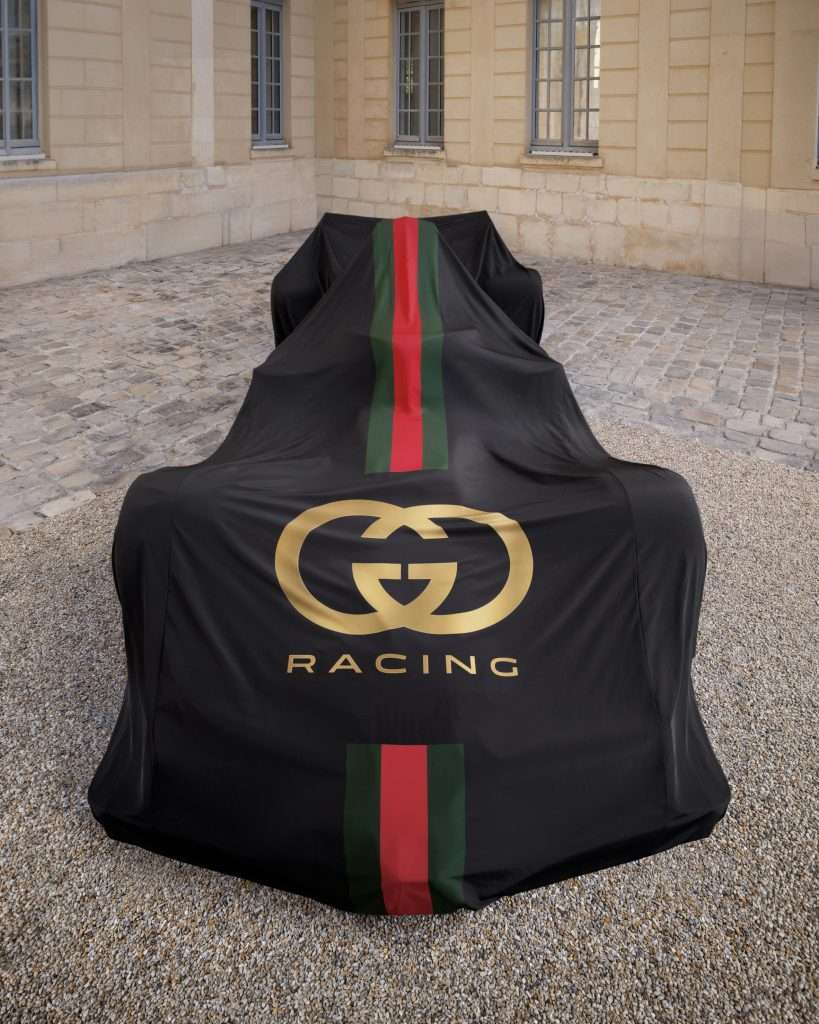
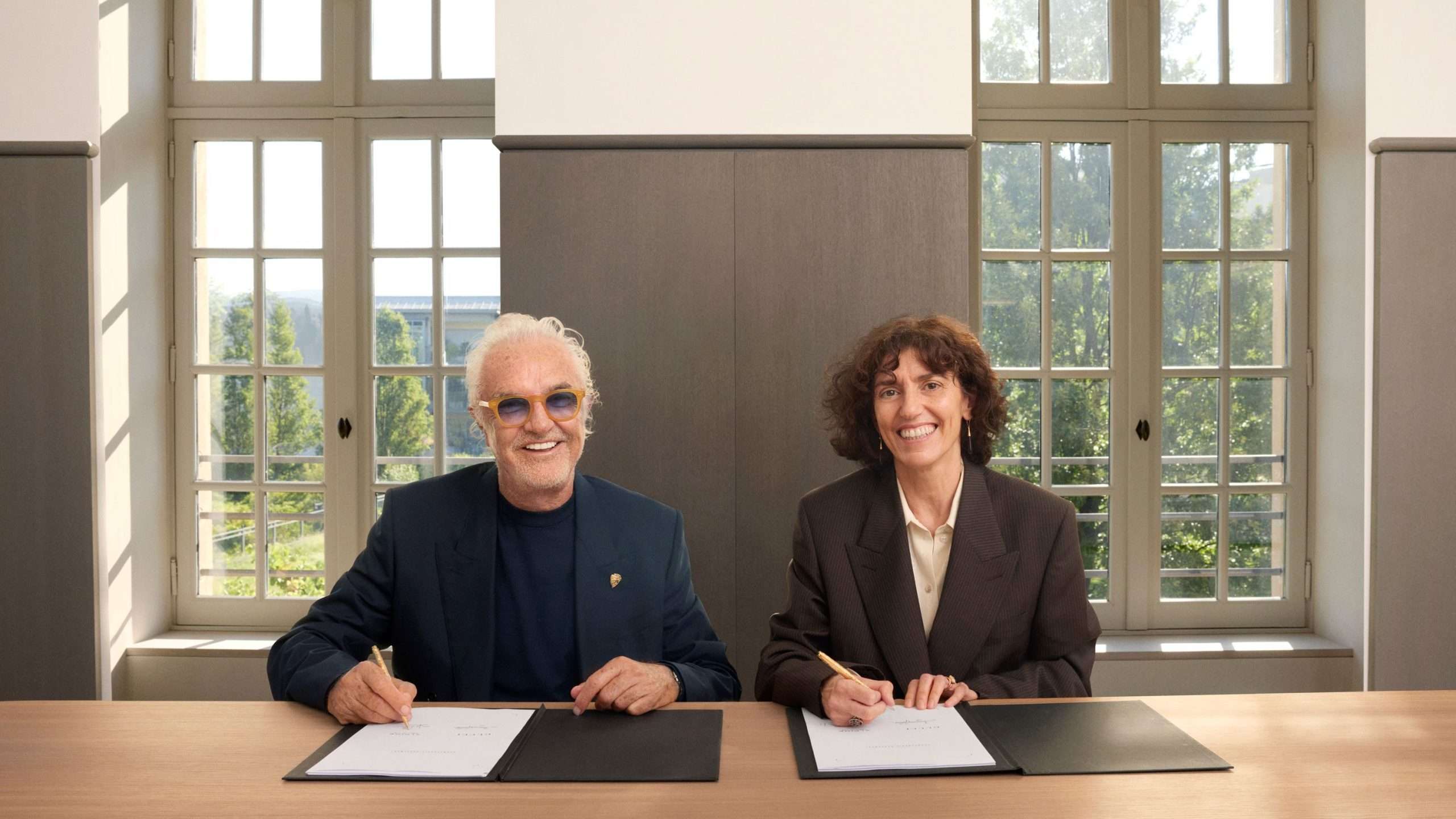
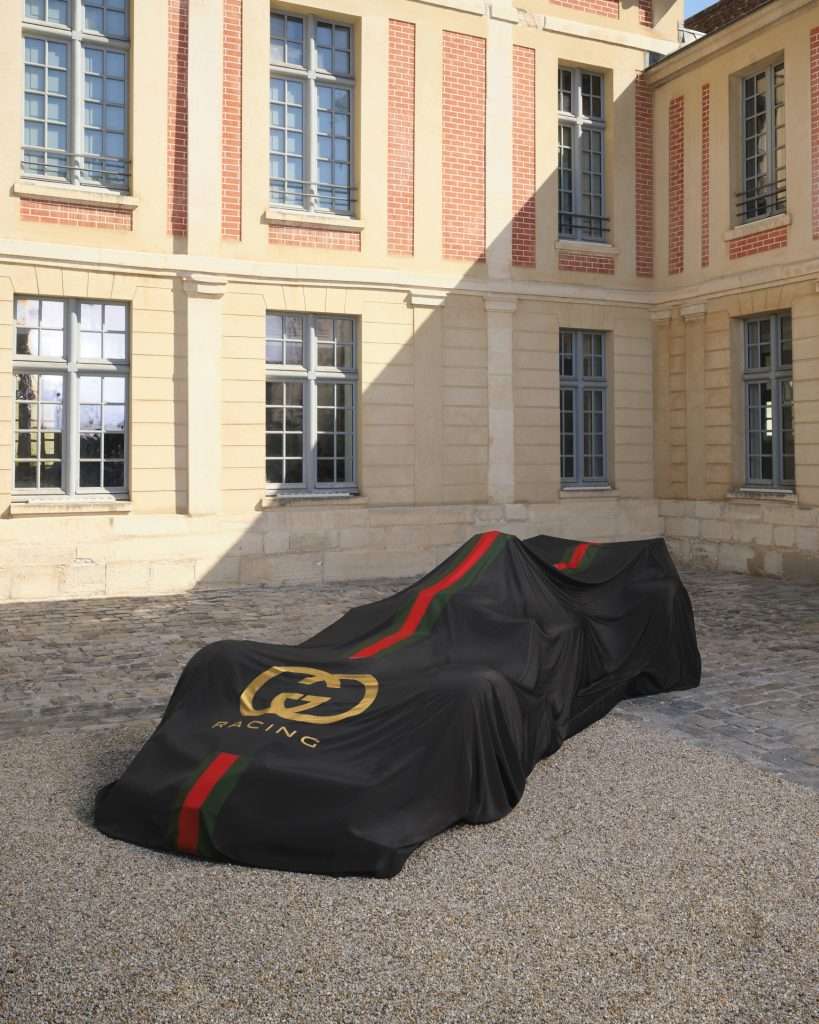
From 2027, the team will race as Gucci Racing Alpine Formula One Team, with Gucci becoming title partner and launching Gucci Racing as a new business and experiential platform. On the surface, it is another sign that luxury sees Formula 1 as valuable territory. In reality, it is a much more specific statement than that.
Because Gucci is not entering Formula 1 in the way many luxury brands do.
It is not simply sponsoring the championship from a distance. It is not taking a perimeter role, attaching itself to moments, ceremonies or hospitality. It is choosing to go deeper – into the naming, identity and visual fabric of a team.
That feels significant.
More than visibility
The easiest way to think about this is to compare it with the broader luxury presence around Formula 1.
Brands like Louis Vuitton, through the wider LVMH relationship with the sport, are operating at the level of Formula 1 itself. That offers huge reach, prestige and association with the overall property. It is a smart, relatively classic model: attach the brand to the pinnacle of the sport, benefit from the global stage and let Formula 1’s broader growth do the work.
Gucci is making a different bet.
Instead of aligning only with the sport as a whole, it is aligning with the day-to-day theatre of a team. That means greater proximity, greater integration and more creative control – but also less neutrality. A title partnership asks more of a brand because it moves from sponsorship into identity.
That is why the phrase Gucci Racing Alpine Formula One Team matters so much.
This is not just Gucci showing up at Formula 1. It is Gucci helping define how one team will show up inside Formula 1.
Gucci Racing as a platform, not a placement
The press release makes that intent clear.
Gucci is not presenting this as a conventional sponsorship asset. It is introducing Gucci Racing as “a new business and experiential platform” built around performance, precision, discipline and excellence at the intersection of luxury and sport. The Alpine team is simply the first place that platform will come to life.
That wording matters because it reframes the whole move.
This is not:
- logo placement
- trackside visibility
- or a one-off fashion crossover
It is Gucci building a new territory for the brand.
That is a much more ambitious play. It suggests the company sees Formula 1 not just as a communications channel, but as a world it wants to inhabit properly. A championship-level deal can give you presence. A title partnership gives you something more immersive: repetition, familiarity and the chance to shape a narrative over time.
That seems to be the real goal here.
Why a team makes sense for Gucci
There is also a strategic logic to choosing a team rather than remaining at championship level.
Formula 1 as a whole is huge, but broad. A team gives a brand something more focused: a recurring cast of characters, a garage, a uniform, a culture, a set of rituals, a paddock home, a story to build over a season. It offers a more human and controllable canvas.
That matters for a fashion house.
Luxury brands are strongest when they can build codes, worlds and recognisable aesthetics around themselves. A team partnership gives Gucci more opportunity to do that than a looser sport-wide sponsorship ever could. The press release even notes that Alpine will compete in Gucci colours, which immediately tells you this is not a passive relationship. It is visual, immersive and designed to be seen.
In other words, Gucci is not just buying access to Formula 1’s audience. It is buying a structure through which to express itself.
That feels much closer to brand-building than sponsorship.
Formula 1 is now premium culture
The wider backdrop to all of this is Formula 1’s transformation into a premium cultural platform.
Gucci’s press release says the sport offers access to a “rapidly expanding and increasingly diverse and premium audience across key strategic markets.” That is not accidental corporate language. It gets to the heart of why so many luxury brands are drawn to the sport right now.
Formula 1 is no longer just a motorsport property.
It is:
- a fashion setting
- a celebrity ecosystem
- a hospitality stage
- a content machine
- a place where luxury feels native rather than added on
That last point is important. Gucci does not have to force itself into Formula 1. The sport already speaks the language of scarcity, status, travel, performance and design. That makes it unusually compatible with luxury.
But compatibility alone is not enough. The real question is how a brand wants to participate.
Gucci’s answer is more ambitious than most.
A more exposed kind of luxury play
Of course, title partnership also carries more exposure.
A broad sport-level sponsor gets halo and reach. A team title partner gets scrutiny. The brand becomes part of the weekly competitive identity of the team. Its name is said repeatedly, written repeatedly and seen repeatedly. That is more powerful, but also more committing.
Which is exactly why it stands out.
Gucci is not behaving like a luxury brand that wants to sample Formula 1. It is behaving like one that wants to build a long-term position inside it.
That feels like a sign of confidence, but also of changing ambition. Luxury brands are no longer only looking for adjacency to sport. Increasingly, they want deeper integration where the right platform exists.
For Gucci, Alpine appears to be that platform.
What this says about sponsorship now
The bigger lesson here is that top-tier sponsorship is becoming more layered.
It is no longer enough for brands simply to “be around” the biggest properties. The most ambitious ones want one of two things:
- either ownership of the premium outer shell of the sport
- or deep embedded ownership of a distinctive lane within it
LVMH-style championship alignment gives you the first.
Gucci’s move gives it the second.
That is why the comparison is useful. It shows there is no single luxury playbook for Formula 1 anymore. Some brands want the broad halo. Others want a more intimate, repeatable and expressive relationship with the sport.
Gucci has clearly chosen the latter.
Behind Sport Takeaway
Gucci’s Alpine deal feels bigger than a standard sponsorship because it reflects a different level of intent.
Rather than simply attaching itself to Formula 1’s glamour from a distance, Gucci is building a team-linked platform that gives the brand more visibility, more expression and more ownership inside the sport. That makes it riskier than a traditional luxury sponsorship – but also potentially far more distinctive.
Formula 1 has become one of the world’s most powerful premium stages. The interesting question now is not whether luxury wants to be there. It is how deeply each brand is willing to go.
Enjoyed this article? Join over 2,800 sport professionals who receive our weekly newsletter here.


